

How to Avoid Excess Baggage Charges on Domestic Flights in India
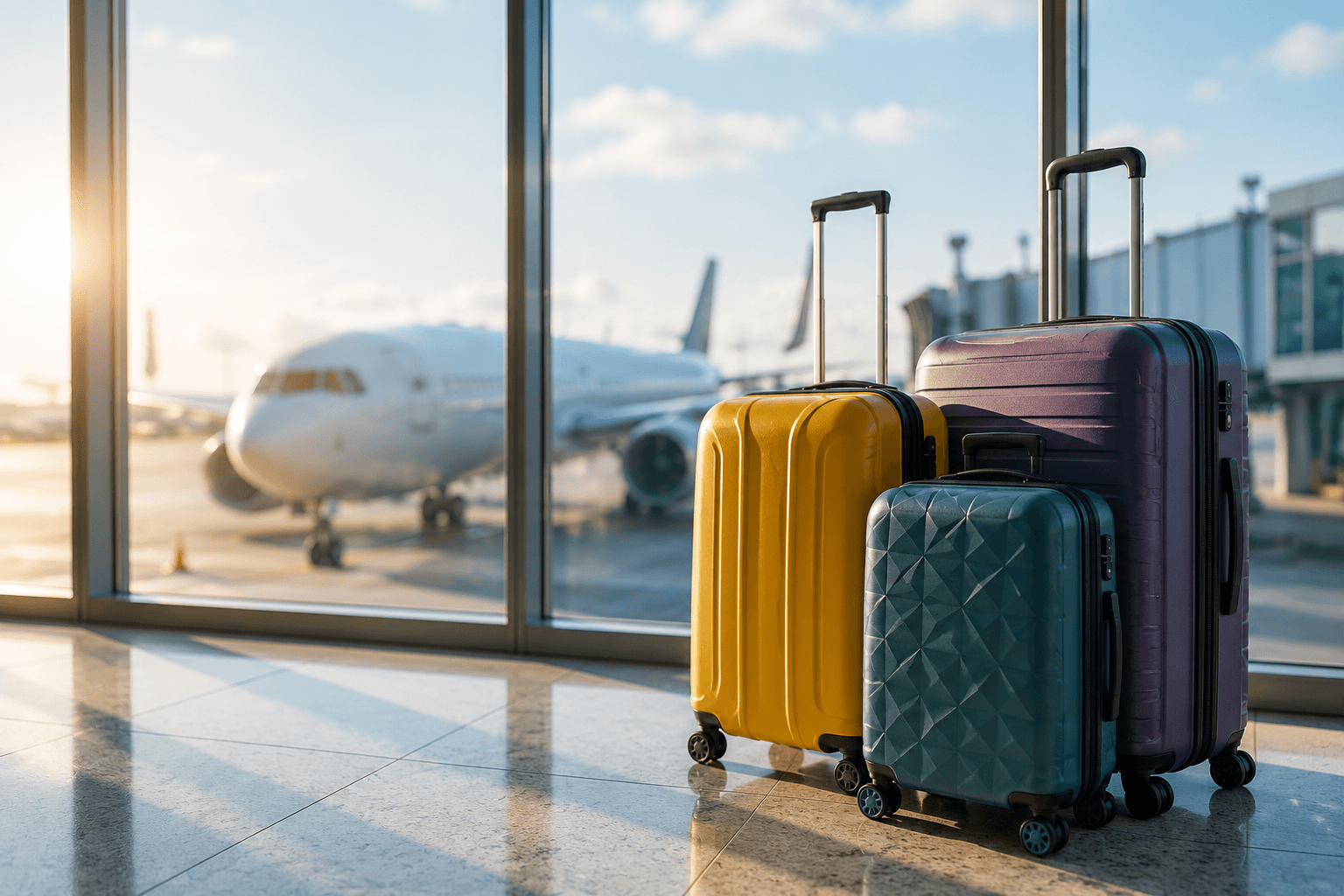
You pack carefully, reach the airport early, and then the check-in scale stops you cold: your bag is 4 kilos over, and you owe more than you paid for half your ticket. Excess baggage charges have quietly become one of the most frustrating costs of flying within India, and most travellers only discover them at the counter when it is too late to do anything about it.
The good news is that these fees are almost entirely avoidable. With a little planning, and the right alternative for heavier loads, you never have to hand over another rupee in excess baggage charges again. Here is exactly how.
Why Airline Excess Baggage Fees Are Increasing
Indian airlines have steadily moved toward an "unbundled" pricing model, where your fare buys you a seat and very little else. Baggage, seat selection, and meals are now treated as separate add-ons. Under this approach, your free check-in allowance has shrunk while the cost of exceeding it has climbed.
The numbers tell the story. Excess baggage fees across Indian carriers rose by roughly 18% between 2024 and 2026, and today most domestic airlines charge somewhere between ₹600 and ₹700 per kilogram at the airport counter. On a basic economy fare, your free check-in allowance is usually just 15 kg in a single piece, plus 7 kg of cabin baggage. Step beyond that, and the meter starts running fast.
For airlines, baggage fees are pure ancillary revenue, a high-margin income stream that grows with every passenger who packs an extra pair of shoes. For travellers, it means the era of generous 20 kg and 25 kg free allowances on cheap tickets is largely over. Understanding this shift is the first step to keeping your money in your own pocket.
Common Reasons Travelers Pay Extra
Most excess baggage charges are not the result of reckless overpacking. They come from small, predictable mistakes that catch even seasoned flyers off guard.
The biggest culprit is the single-piece rule. On low-cost domestic fares from IndiGo, SpiceJet, and Akasa, your 15 kg allowance must fit into one bag. Split it into two suitcases of 7.5 kg each and the second bag is billed as an "extra piece," often ₹1,800 to ₹3,400, even though your total weight was within limit.
The second is fare confusion. Travellers assume every ticket includes 20 kg, but allowances now vary by fare class. A Saver fare and a Flexi fare on the same flight can carry very different baggage rights.
Other frequent traps include forgetting that cabin baggage is capped at 7 kg and gets weighed at busy metro airports, underestimating the weight of gifts and shopping picked up during the trip, and leaving baggage decisions until check-in, when airport rates are at their highest. Each of these turns a manageable trip into an unexpected bill.
Smart Ways to Avoid Excess Baggage Charges
If you do plan to fly with all your luggage, a handful of disciplined habits will keep your costs down.
Smart Ways to Avoid Excess Baggage Charges
If you plan to fly with all your luggage, a few smart packing habits can help you avoid unnecessary baggage fees. Most excess baggage charges are preventable with a little planning before your trip.
Weigh Everything at Home
A basic digital scale costs less than a single excess baggage penalty. Stand on a bathroom scale holding your bag, subtract your weight, and you will know exactly where you stand before you leave the house.
Pre-book Extra Weight Online
This is the single most effective tactic. Buying additional allowance through the airline's "Manage Booking" section, rather than at the airport, typically saves 30% to 50%. Across a sample of bookings in 2026, the average airport excess charge was around ₹3,260 versus roughly ₹1,847 online for the same weight.
Match your fare to your packing style.
If you regularly travel with 16 to 20 kg, a slightly higher fare class with a 20 kg allowance often costs less than paying per-kilo excess baggage charges on a cheaper ticket.
Wear your heaviest items.
Boots, jackets, and bulky layers worn onto the plane do not count against your allowance.
Use compression packing cubes.
They will not reduce weight, but they help you avoid a second-piece charge by keeping everything in one bag.
These steps work well for light and moderate loads. But once your luggage crosses a certain weight, even the smartest packing tricks stop being enough.
These strategies work well for light and moderate luggage. However, once your baggage becomes significantly heavier, shipping it separately is often more affordable and much more convenient than paying airline excess baggage charges.
When Shipping Your Luggage Makes More Sense
There is a tipping point where paying excess baggage charges simply stops being rational. If you are moving cities, returning from a long stay, carrying equipment, or travelling as a family with several heavy bags, the per-kilogram fees compound until they rival or exceed the cost of the flight itself.
This is where a door-to-door luggage delivery service changes the equation entirely. Instead of dragging 20 or 30 kilos through the airport and bracing for the scale, your bags are picked up from your home and delivered directly to your destination, often for less than the airline would have charged for excess baggage alone.
Save More
Avoid high airline excess baggage fees by choosing a more affordable door-to-door luggage delivery service.
Travel Hands-Free
Skip hauling heavy luggage through airports, security checkpoints, and crowded terminals.
Doorstep Convenience
Your luggage is collected from your home and delivered directly to your destination.
Less Stress
Avoid long check-in queues, baggage delays, and the hassle of carrying multiple heavy bags during your journey.
Shipping luggage removes the hidden costs that never appear on an airline fee chart—the physical strain of carrying heavy bags, the risk of delayed or damaged baggage, and the stress of rushing through the airport. Whether you're a student returning home, a professional relocating for work, or a family travelling with multiple suitcases, luggage delivery offers a simpler, more comfortable way to travel.
Comparing Airline Fees vs Luggage Delivery Costs
The math is what convinces most people. Consider a traveller carrying 25 kg on a domestic route with a 15 kg free allowance. That is 10 kg of excess, and at roughly ₹600 to ₹700 per kilogram at the airport, the bill lands somewhere around ₹6,000 to ₹7,000, for a single one-way trip.
| Airline | Free Allowance | Airport Excess Fee |
|---|---|---|
| IndiGo | 15 kg (1 Piece) | ~₹600 / kg |
| Air India | 15 kg (Value) / 25 kg (Classic) | ~₹600–₹700 / kg |
| Akasa Air | 15 kg (1 Piece) | ~₹700 / kg |
| SpiceJet | 15 kg (1 Piece) | ~₹700 / kg |
A dedicated luggage delivery service like Frisbi prices on the actual route and weight rather than punishing you per kilo over an arbitrary limit. For many domestic shipments, sending that same load works out significantly cheaper than the airline's excess baggage charges, and you are not limited to one bag or 15 kg.
Just as importantly, the comparison is not only about price. With the airline, you still have to physically manage every kilogram yourself. With luggage delivery, the weight is handled for you from doorstep to doorstep.

Why More Travelers Are Choosing Luggage Delivery
A growing number of Indian travellers have realised that their luggage does not need to share their seat, their schedule, or their stress. Shipping bags ahead has shifted from a niche idea to a mainstream travel habit, and the reasons are practical.
There are no weight limits to pack around, so you carry what you actually need. There is a dedicated point of contact for every shipment instead of a chatbot and a three-day email wait. There is real-time tracking with SMS and WhatsApp updates at every step, so you always know where your bags are. And with a network reaching more than 25,000 pincodes across India, the service follows your journey well beyond the metros.
For corporate moves, group travel, and family trips, the appeal is even clearer: multiple bags to multiple destinations, coordinated without the chaos of an airport baggage belt. Travelling hands-free, it turns out, is a habit that is hard to give up once you try it.
"Travelling hands-free isn't just more convenient—it's a travel habit that's hard to give up once you've experienced it."
Conclusion
Excess baggage charges are designed to catch you off guard, but they no longer have to. Weigh ahead, pre-book wisely, and match your fare to your packing. And when your load is genuinely heavy, skip the scale altogether.
Travel hands-free on your next trip. Get an instant quote from Frisbi and send your luggage door-to-door, for less than the airline's excess baggage charges.
FAQs
Find answers to the most common questions about airline excess baggage charges and luggage delivery services.
What are excess baggage charges on Indian domestic flights?+
Excess baggage charges are the per-kilogram fees airlines charge when your checked baggage exceeds your free allowance. Most Indian domestic economy fares include around 15 kg of free baggage, while excess baggage is typically charged at ₹600–₹700 per kg at the airport.
Is it cheaper to pre-book extra baggage or pay at the airport?+
Yes. Pre-booking additional baggage online is almost always more affordable and can save 30%–50% compared with paying excess baggage charges at the airport.
Why was I charged even though my total weight was under the limit?+
Many low-cost airlines allow only one checked bag. If you check in a second bag, you may be charged an additional baggage fee even if your combined weight is within the free allowance.
Is shipping luggage really cheaper than paying excess baggage fees?+
For heavier luggage, often yes. Once your baggage exceeds the airline's free allowance by several kilograms, a door-to-door luggage delivery service can be more economical while also eliminating the hassle of carrying heavy bags.
How do I know what shipping my bags will cost?+
Simply enter your pickup and delivery pincodes into the Frisbi rate calculator to receive an instant quote before deciding whether to pay airline excess baggage charges.